
Guía y herramientas para facilitar el desarrollo de proyectos de vivienda cooperativa en cesión de uso

«La vivienda no es únicamente una cuestión de ladrillos, financiación o normativa. También es una cuestión de relaciones, cuidados, cultura y comunidad».
-
Guía elkarbizi
leer más: Guía elkarbiziLa guía ELKARBIZI ofrece una visión integral del proceso de diseño, desarrollo y consolidación de proyectos de vivienda cooperativa en cesión de uso en Euskadi.
-
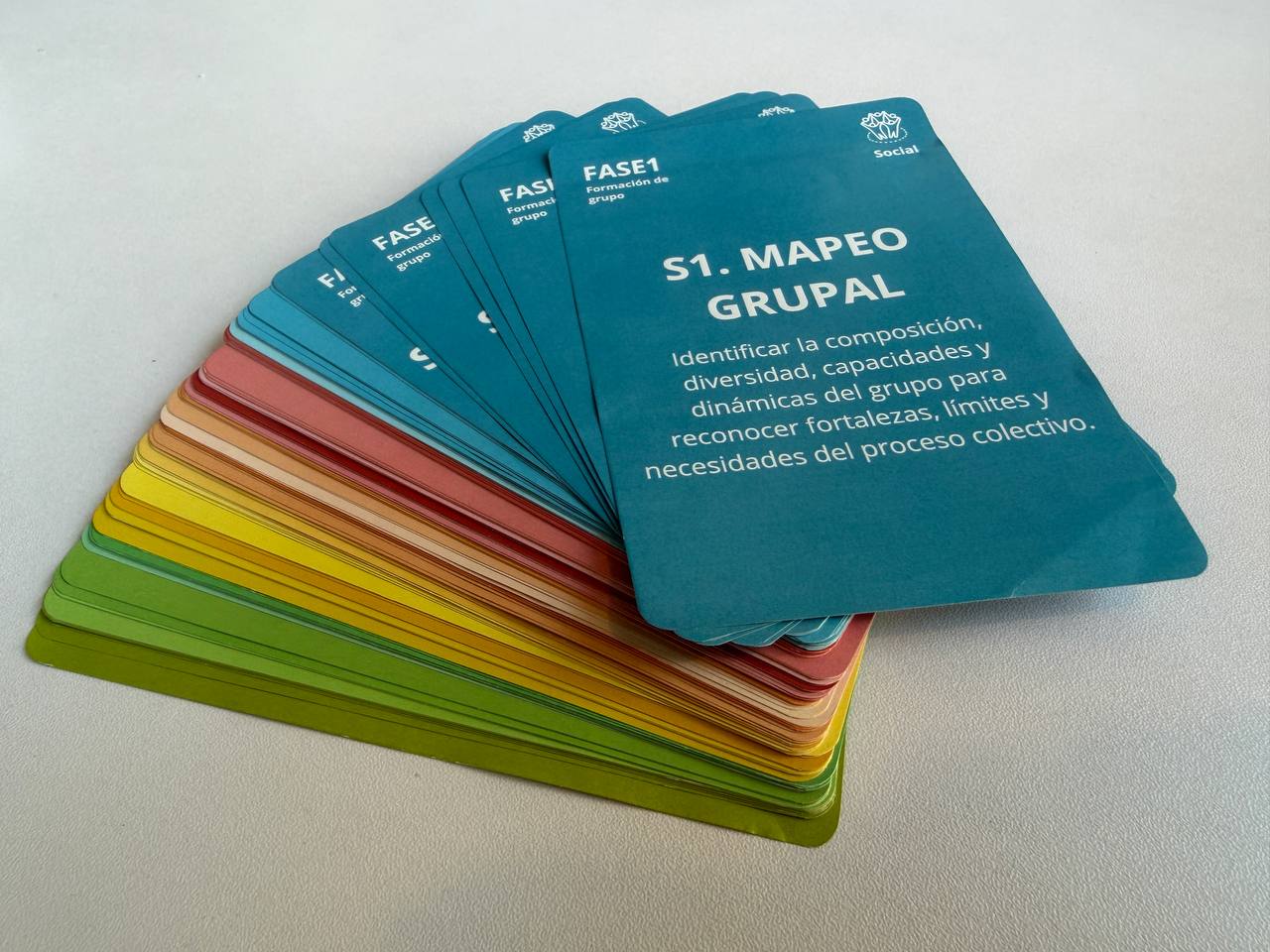
Cartas
leer más: CartasLas cartas ELKARBIZI ayudan a hacer visible el proceso, ordenar conversaciones importantes y acompañar la toma de decisiones colectivas. Cada carta propone preguntas, dinámicas y…
-
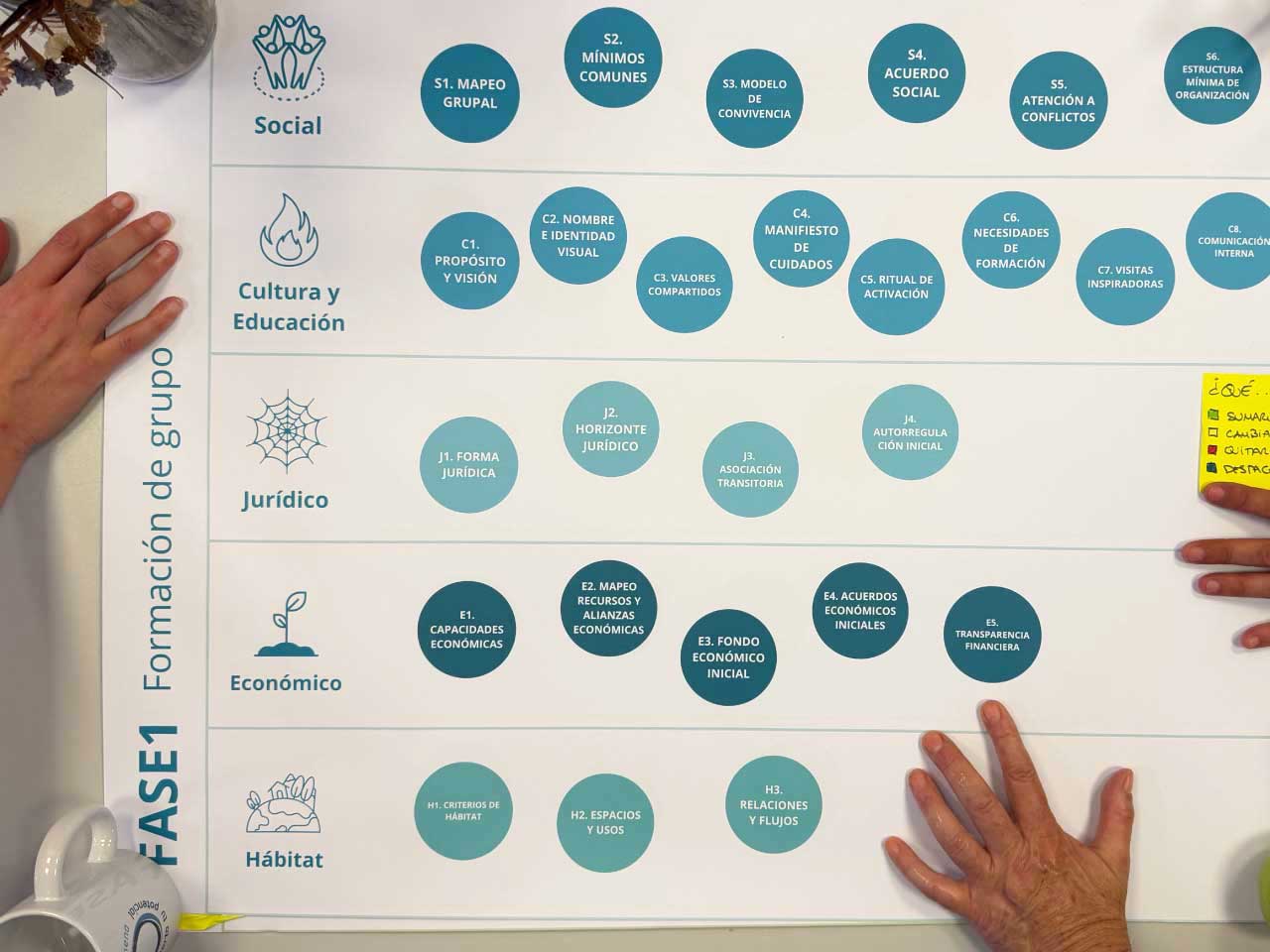
Tableros
leer más: TablerosLos tableros ELKARBIZI representan visualmente las cinco fases de desarrollo de una cooperativa de vivienda en cesión de uso. Permiten identificar qué elementos intervienen en…
-
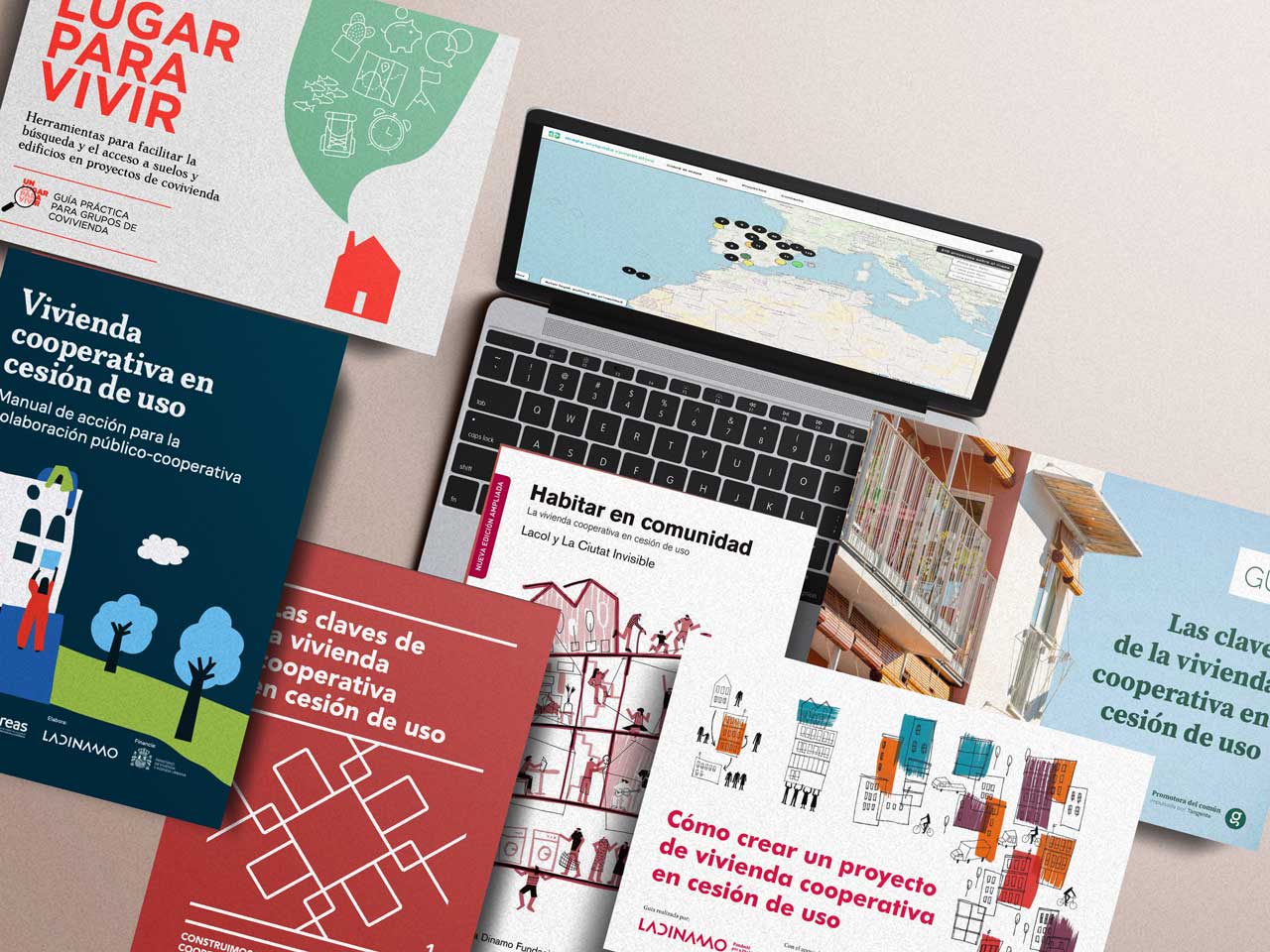
Recursos
leer más: RecursosEn este espacio se reúnen materiales de consulta, descarga y apoyo para facilitar el uso de la guía, las cartas y los tableros, así como…
Los detalles
La vivienda cooperativa en cesión de uso.
La vivienda es mucho más que un techo. Es el lugar donde descansamos, cuidamos, nos relacionamos, criamos, envejecemos y desarrollamos nuestros proyectos de vida. Sin embargo, durante décadas ha sido entendida principalmente como un bien de consumo, una inversión o una propiedad individual, dejando en segundo plano su dimensión social y comunitaria.
Al mismo tiempo, vivimos profundas transformaciones demográficas, económicas y culturales. El envejecimiento de la población, la soledad no deseada, las dificultades de acceso a la vivienda, la precariedad económica, la crisis ecológica y las crecientes necesidades de cuidados están cuestionando muchos de los modelos residenciales heredados.
Ante este escenario, cada vez más personas se preguntan no sólo dónde quieren vivir, sino también con quién, de qué manera y bajo qué valores.
La vivienda cooperativa en cesión de uso surge como una respuesta a estas preguntas. Más que una fórmula jurídica o económica, propone una manera de entender la vivienda como un proyecto colectivo capaz de combinar autonomía personal, comunidad, sostenibilidad, participación democrática y acceso asequible a un hogar.
Vivir en colectivo no significa compartirlo todo ni renunciar a la intimidad. Significa construir estructuras de apoyo mutuo que permitan afrontar conjuntamente retos que cada vez resultan más difíciles de resolver de manera individual.
Esta guía nace precisamente para acompañar a quienes desean recorrer ese camino.
A quién se dirige.
La guía ELKARBIZI está dirigida a personas, grupos y comunidades interesadas en impulsar o consolidar proyectos de vivienda cooperativa en cesión de uso desde los principios de la Economía Social y Solidaria.
Puede resultar útil tanto para grupos que están dando sus primeros pasos como para cooperativas ya constituidas que desean revisar, fortalecer o desarrollar aspectos concretos de su proyecto.
Cómo puede ayudar al grupo esta guía.
La guía ELKARBIZI tiene como objetivo acompañar a grupos y comunidades en el diseño, desarrollo y consolidación de proyectos de vivienda cooperativa en cesión de uso en Euskadi.
Su propósito es ofrecer una visión integral del proceso, facilitando herramientas, preguntas, orientaciones y referencias que ayuden a abordar de forma equilibrada los distintos ámbitos que intervienen en la creación y sostenimiento de una comunidad: el social, el cultural y educativo, el jurídico, el económico y el relacionado con el hábitat.
La propuesta parte de una constatación sencilla: construir una cooperativa de vivienda no consiste únicamente en diseñar un edificio o garantizar su viabilidad económica. También implica construir relaciones, generar confianza, desarrollar capacidades colectivas, tomar decisiones compartidas y sostener una cultura comunitaria capaz de evolucionar con el tiempo.
Por ello, ELKARBIZI incorpora dos elementos que habitualmente reciben menor atención en este tipo de materiales: el ámbito de Cultura y Educación, vinculado a la identidad, los valores y el aprendizaje colectivo; y la capa personal, que invita a cada participante a observar cómo vive el proceso, qué necesita y cómo desea contribuir al proyecto común.
La guía combina contenidos técnicos relacionados con el hábitat, la economía y el marco jurídico, con herramientas orientadas a la construcción comunitaria, los cuidados, la gobernanza, la participación y la cultura colectiva.
Más que acelerar procesos, ELKARBIZI busca ayudar a que cada comunidad encuentre su propio ritmo, disponga de conversaciones significativas y construya las bases necesarias para desarrollar un proyecto sólido, coherente y sostenible en el tiempo.
Cartas, tableros otros recursos para facilitar el proceso y las dinámicas.
Este material forma parte de un conjunto más amplio de recursos desarrollados en el marco de ELKARBIZI, junto con los tableros, las cartas y el portal de consulta y descarga, concebidos para acompañar de forma práctica el desarrollo de proyectos de vivienda cooperativa en cesión de uso.
Metodología abierta y evolutiva.
La guía ELKARBIZI ha sido desarrollada conjuntamente por las cooperativas Ingoin y Ariwake a partir de un proceso de investigación, análisis documental, diagnóstico sectorial, contraste con experiencias existentes y prototipado de herramientas con grupos de vivienda cooperativa.
El trabajo combina la experiencia acumulada en el impulso y acompañamiento de proyectos de vivienda cooperativa en cesión de uso en Euskadi con metodologías de facilitación, diseño participativo, innovación social y pensamiento sistémico.
La propuesta metodológica se apoya en diferentes enfoques complementarios, entre ellos la teoría del cambio, el aprendizaje colectivo, la mejora continua y la observación de experiencias de referencia. Todo ello ha permitido construir una herramienta que integra dimensiones habitualmente abordadas por separado, relacionando aspectos sociales, culturales, jurídicos, económicos y espaciales dentro de un mismo proceso.
Durante su elaboración se han revisado materiales y metodologías existentes, se han realizado entrevistas y sesiones de contraste con grupos y entidades del sector, y se han desarrollado dinámicas de experimentación para recoger aprendizajes, necesidades y propuestas de mejora.
El resultado es una metodología abierta y evolutiva que busca facilitar la autonomía de los grupos, fortalecer su capacidad de decisión y contribuir al desarrollo de proyectos cooperativos más sólidos, conscientes y sostenibles.
El equipo que lo ha hecho posible.
Guía impulsada por: Ingoin Koop. Elk. Txikia + Ariwake S. Coop. Pequeña de Iniciativa Social
Diseño metodológico: Maddalen Gil López de Lacalle.
Redacción: Rubén Méndez Cebrián, Maddalen Gil López de Lacalle, Begoña Abaitua.
Investigación y diagnóstico: Rafael Grau Cárdenas y Rubén Méndez Cebrián.
Facilitación sesión prototipado: Amaia Goyena Mediavilla.
Diseño gráfico: Nerea Marquez de Ojo Buey.
Maquetación: Nerea Marquez de Ojo Buey.
Diseño web: Rewind Design
Traducción: Amaia Goyena Mediavilla y Uxue Perez de Pipaon Alzueta.
Este material ha sido elaborado en el marco del programa Eraikal de innovación y tecnificación.
Financiado por el Departamento de Vivienda y Agenda Urbana del Gobierno Vasco.
La elaboración de esta guía ha sido posible gracias a la colaboración y aportaciones de numerosas personas, cooperativas, grupos promotores, entidades de la Economía Social y Solidaria, equipos técnicos y proyectos de vivienda cooperativa que han compartido aprendizajes, experiencias, materiales y reflexiones. A todas ellas, nuestro agradecimiento por contribuir a la construcción colectiva del conocimiento que hace posible ELKARBIZI.